INSIDE OUT - THE METHOD
SAMPLE CHAPTER - THE FOREHAND
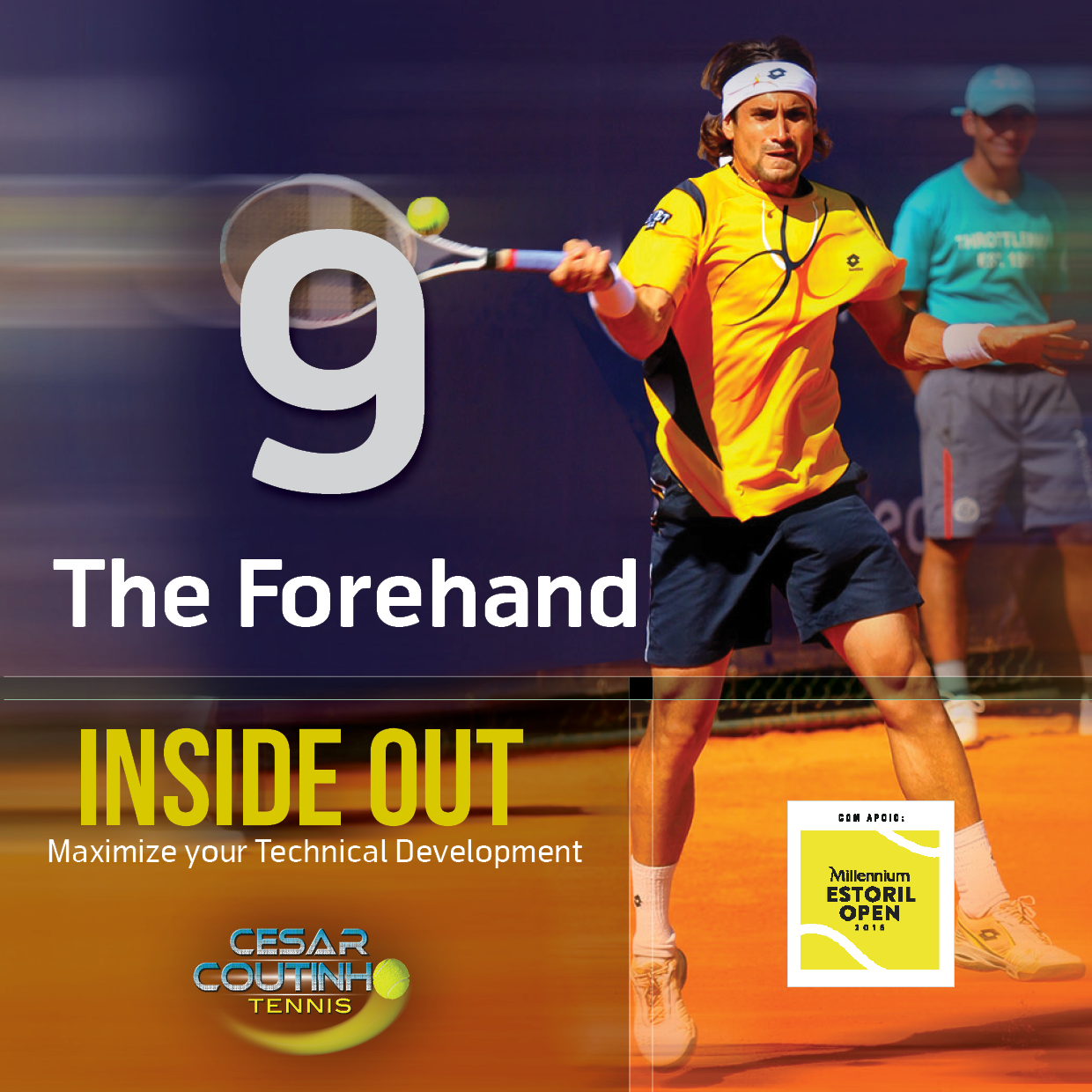
INTRODUCTION
For most players, the forehand is the most used stroke — and also one of the first to break down under pressure.
When pace increases, when opponents apply pressure, or when points become important, many players feel their forehand “disappear.”
In most cases, this is not psychological. It is structural.
This chapter shows how movement organization, preparation, body alignment, and the relationship between footwork and execution determine whether the forehand remains stable in real match conditions.
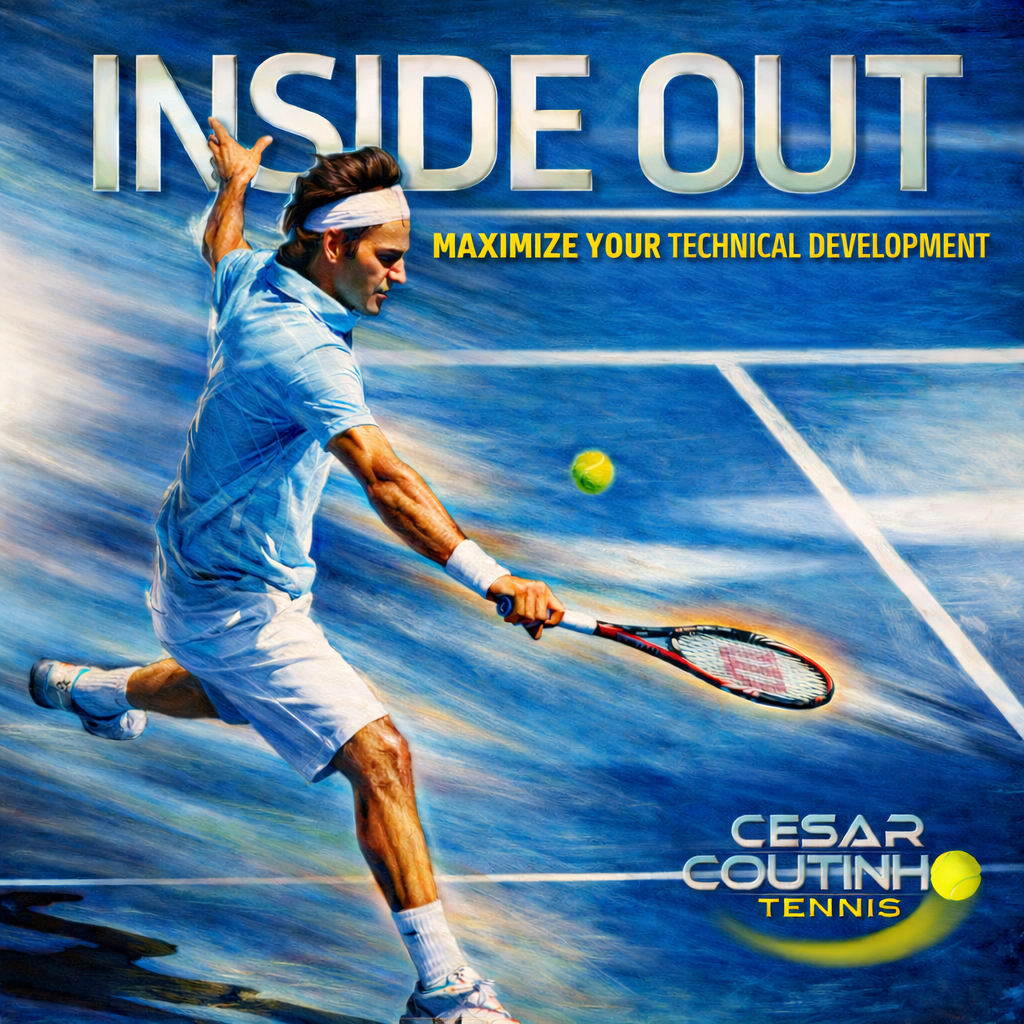
What you see below is a visual sample of the chapter as it appears in the book — including images, diagrams, and applied examples — so you can assess the depth and style of the method.
An excerpt from the Inside Out system for technical development in tennis.
Note: this sample shows the visual and analytical approach of Inside Out.
The full chapter and the complete system are available in the book.
This publication is protected by copyright and delivered through a secure digital platform. All rights reserved
INSIDE OUT — THE METHOD
Purchase the Full Digital Book
If this type of approach aligns with your work, development goals, and context, the book is available for immediate access in English
Format: Digital (PDF)
Language: English
Access: Immediate access after purchase
Reference price: €69
Current price: €33
Context note:
This edition corresponds to the initial phase of publication of Inside Out in Portuguese, prior to the expansion of the project into other formats and markets. During this period, the book is available at an introductory price.
This publication is protected by copyright and delivered through a secure digital platform. All rights reserved

HOW THIS FITS INTO THE SYSTEM
The forehand is only one element of a much larger structure.
In Inside Out — The Method, all technical components —
movement, grips, positions, strokes, responses, and training logic —
are organized into a progressive system so that technique:
is built with clarity
remains stable under pressure
and transfers to real match play
This publication is protected by copyright and delivered through a secure digital platform. All rights reserved

WHO THIS BOOK IS FOR
This book is for:
Coaches and instructors who are looking for a structured model to organize technical teaching and training.
Players (from adolescence onward) who want to better understand the technical development process and progress with consistency.
Parents who value medium- and long-term development and want greater clarity about what effective training really means.
This book is not for:
Those looking for “quick tips” or instant solutions.
Those who want only a list of ready-made drills without understanding the reasoning behind them.
Those who prefer short, isolated content without progression or structure.


WHAT YOU WILL FIND IN THIS BOOK
An integrated approach to technical analysis and development in tennis
Progressive organization of the elements that influence performance
Clear connections between movement, technique, and stroke execution
Structured training designed to improve transfer from practice to match play
Technical development aligned with a consistent, long-term framework

INSIDE OUT

-
Inside Out is not a collection of technical “tricks.” It is an organized model that connects theory and practice to guide real, sustainable development.
Each chapter is designed to support progressive application — bringing greater clarity to what is trained, why it is trained, and how it is sustained over time.
Particularly useful for:
Players who want to deepen their technical understanding and gain greater autonomy in the development process.
Coaches who need a clear resource to plan and organize long-term development.
Instructors who are looking for objective language and structure to teach more effectively.
-
1. Dimensions of Movement Analysis
This chapter introduces the foundations of technical analysis in tennis, addressing the different planes and dimensions that make up player movement. Biomechanical aspects (kinematics and kinetics) are explored and applied to understanding and improving stroke execution. Detailed analysis helps identify strengths and areas for development, forming a basis for technical progression and performance optimization.
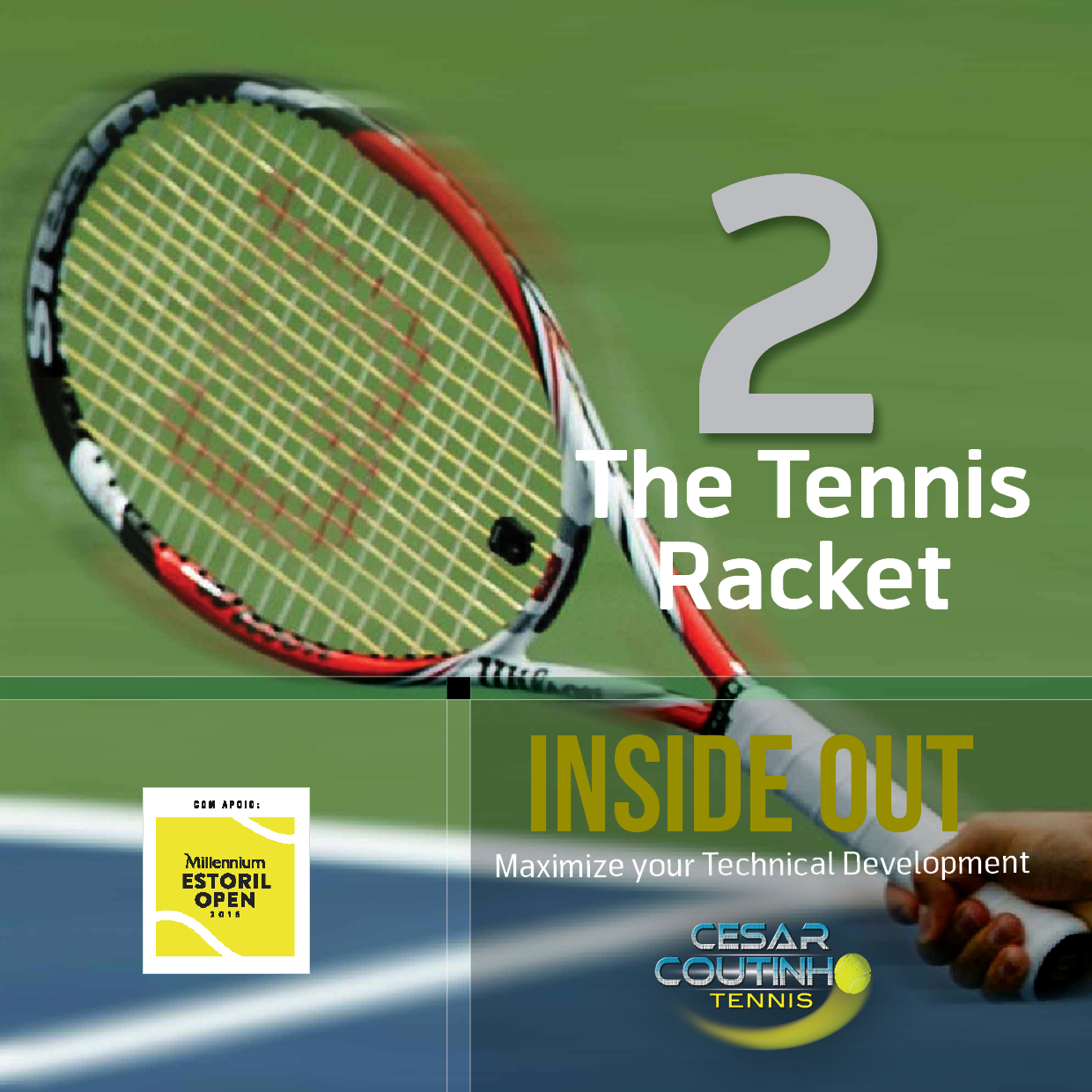
2. The Tennis Racket
The racket is the player’s primary tool, and its selection directly influences control, power, and comfort. This chapter examines racket types, materials, weight, and balance, explaining how these factors affect equipment response. String tension and its impact are also discussed, supporting more informed technical choices.
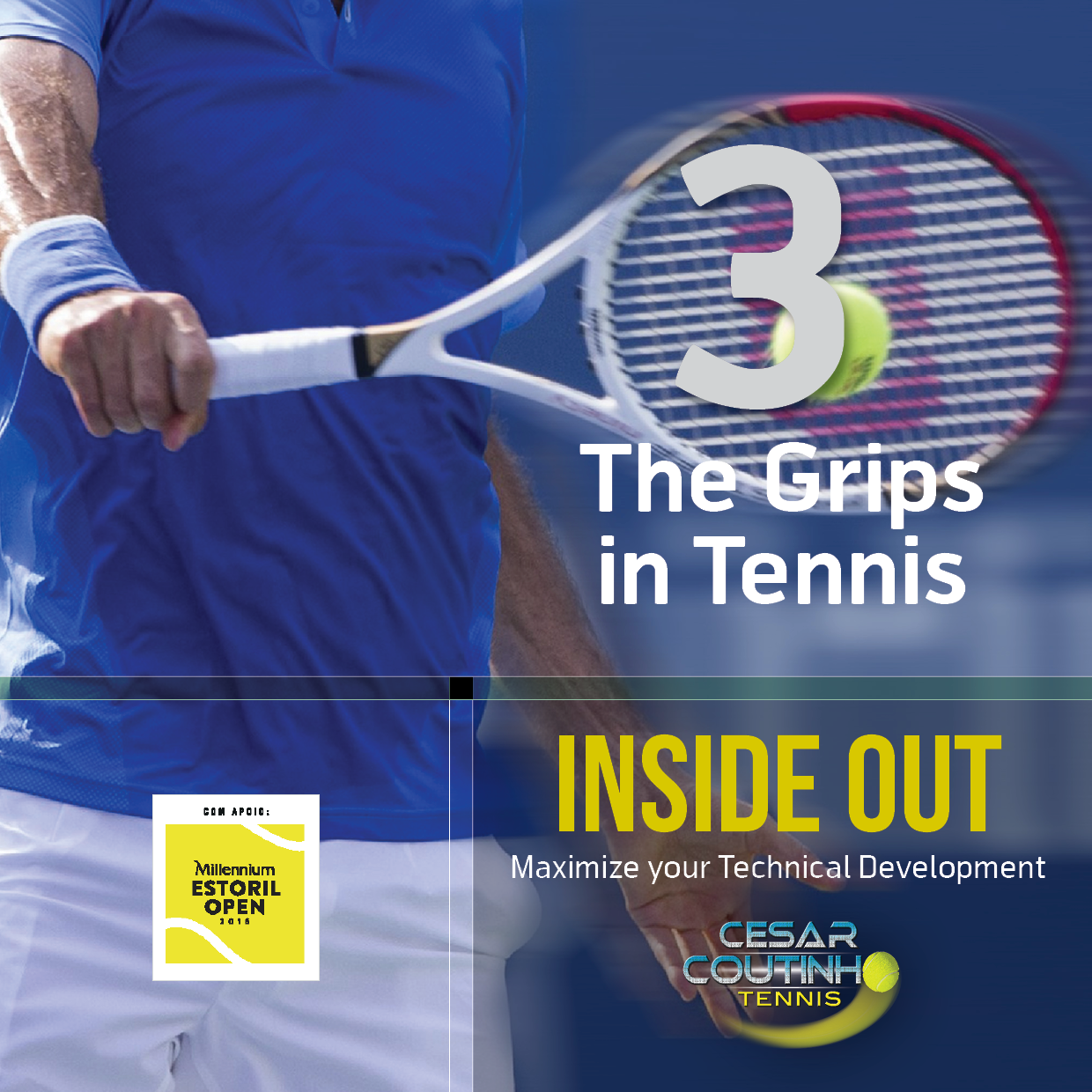
3. Grips in Tennis
Grips determine how the player holds the racket and strongly influence stroke effectiveness. This chapter describes the main grips (continental, eastern, semi-western, and western), their characteristics, and applications. Appropriate grip selection supports adaptation across strokes, reduces injury risk, and improves ball control.
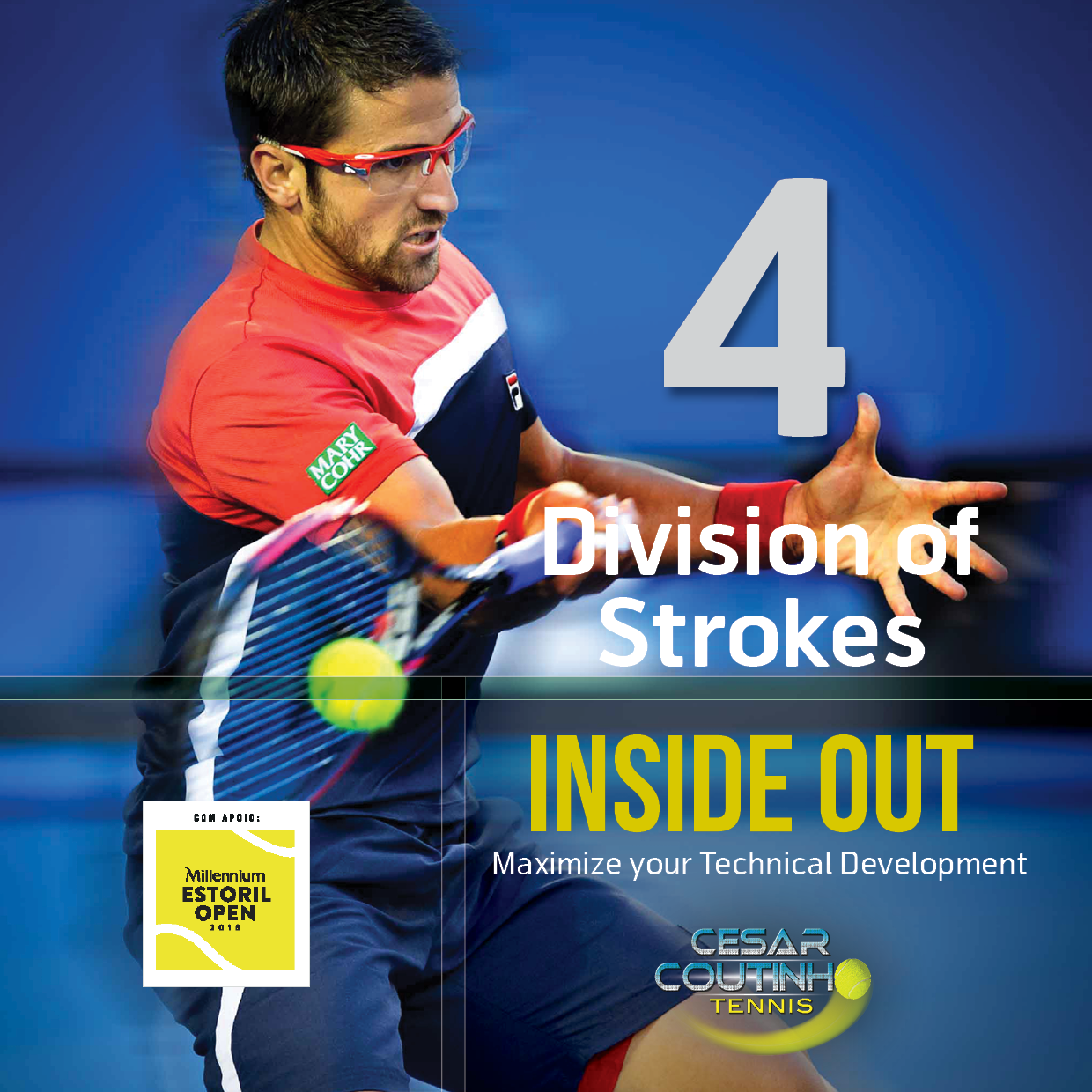
4. Movement Segmentation
To understand and refine technique, movements must be divided into specific phases. This chapter analyzes the stages that make up each stroke—preparation, contact, and follow-through. Segmenting movement facilitates focused training and objective correction, contributing to more efficient and consistent execution.
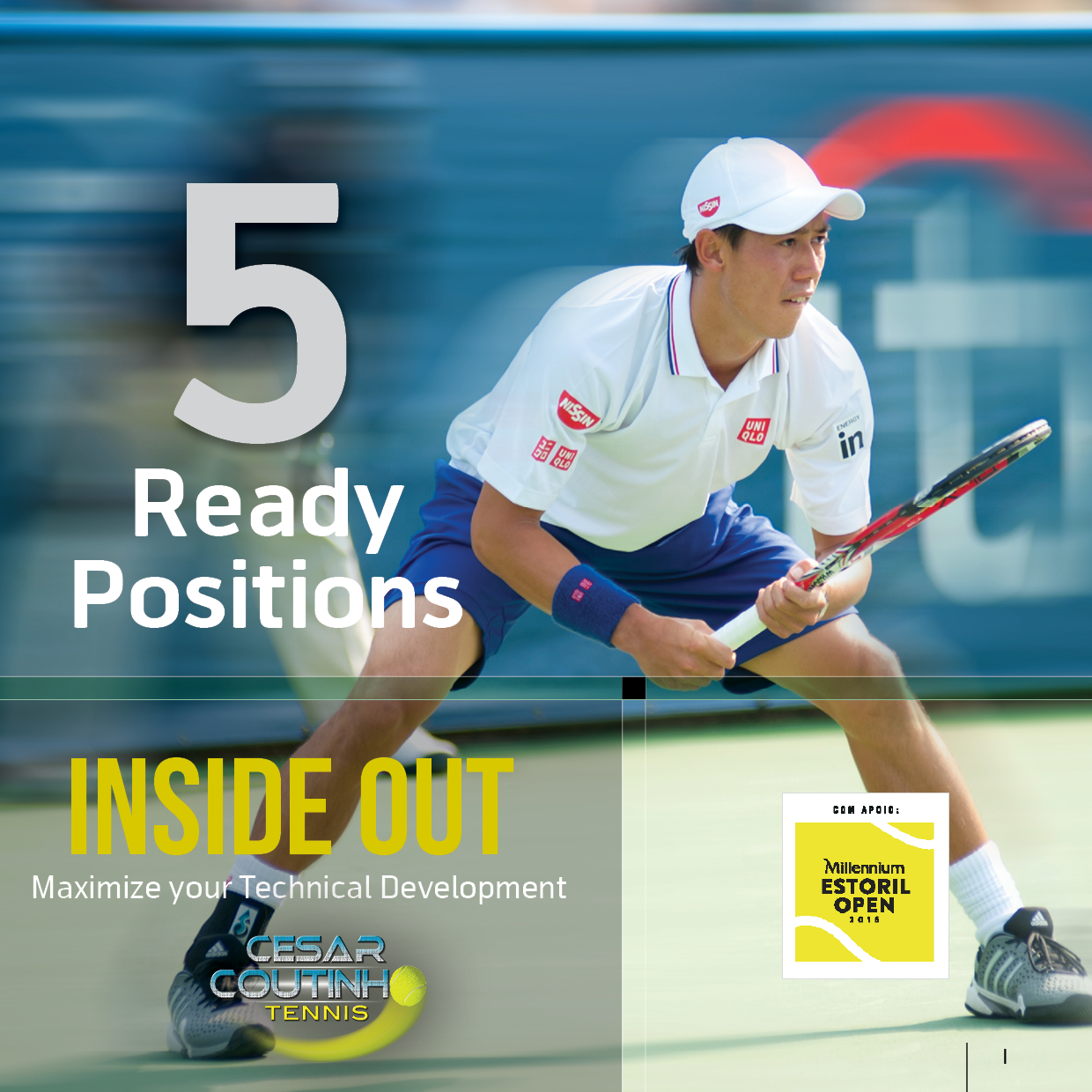
5. Ready Positions
The ready position is the starting point for every action in tennis and directly influences response quality. This chapter explores basic postures, weight distribution, and foot placement to support balance and readiness. An effective ready position improves anticipation and movement, directly impacting consistency and point control.
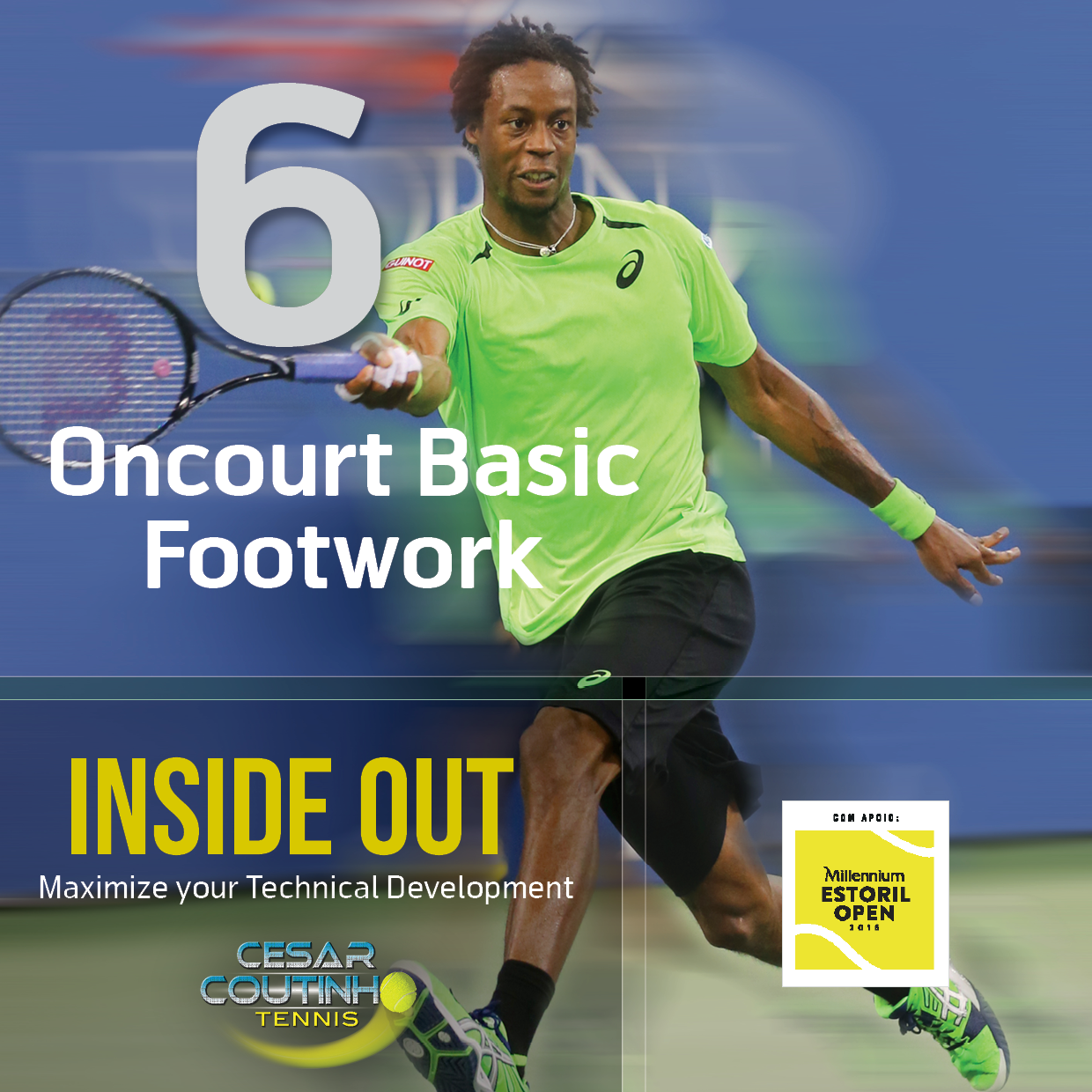
6. On-Court Movement
Efficient movement is essential for reaching the ball on time and executing strokes with quality. This chapter analyzes lateral movement, forward and backward displacement, and changes of direction, emphasizing movement economy and coordination. Agility, endurance, and running technique are addressed as pillars of technical and tactical performance.
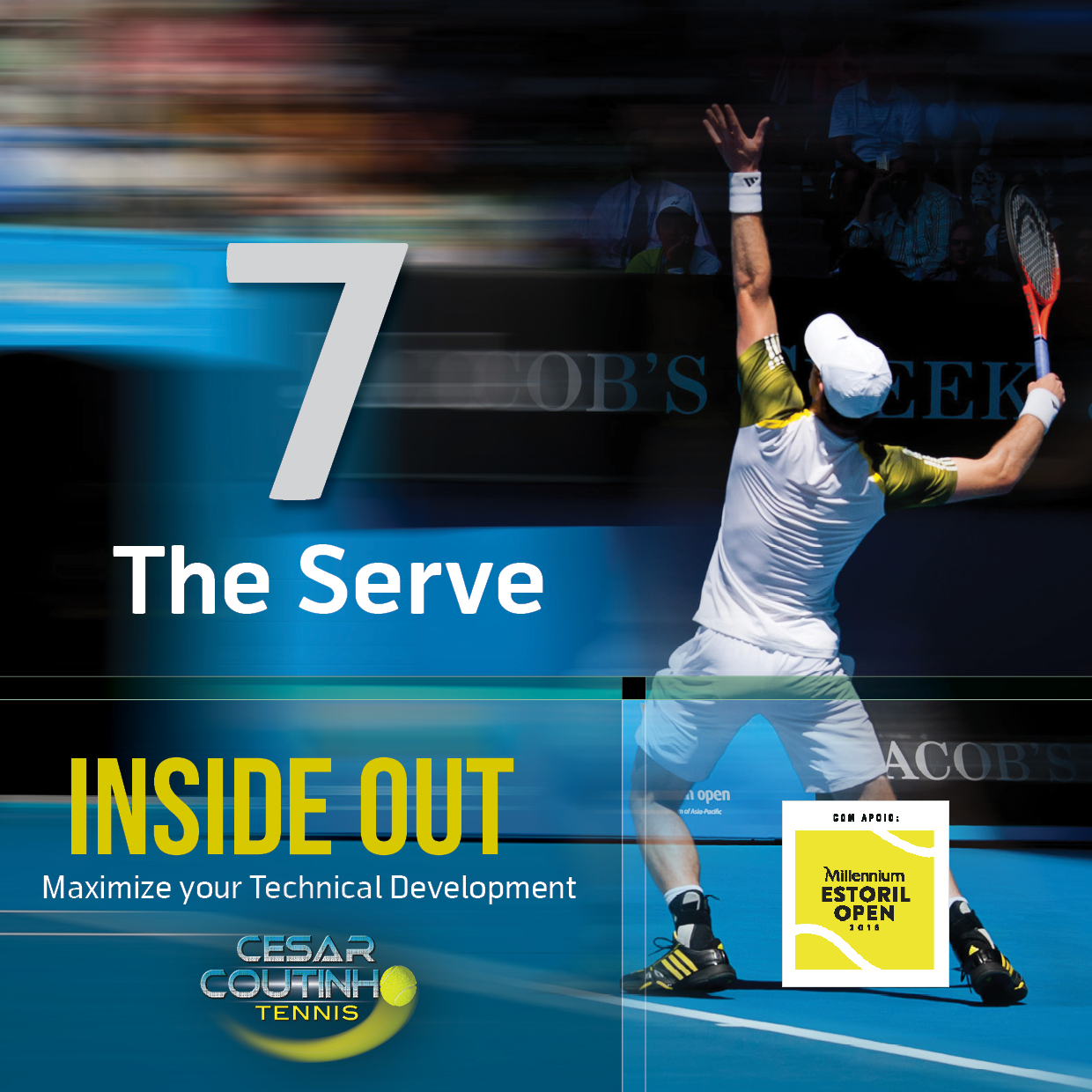
7. The Serve
The serve is the only stroke that initiates the point and can be decisive. This chapter analyzes serve technique (preparation, toss, kinetic chain) and variations (flat, topspin, slice), as well as tactical considerations. It includes guidance for developing power, accuracy, and consistency.
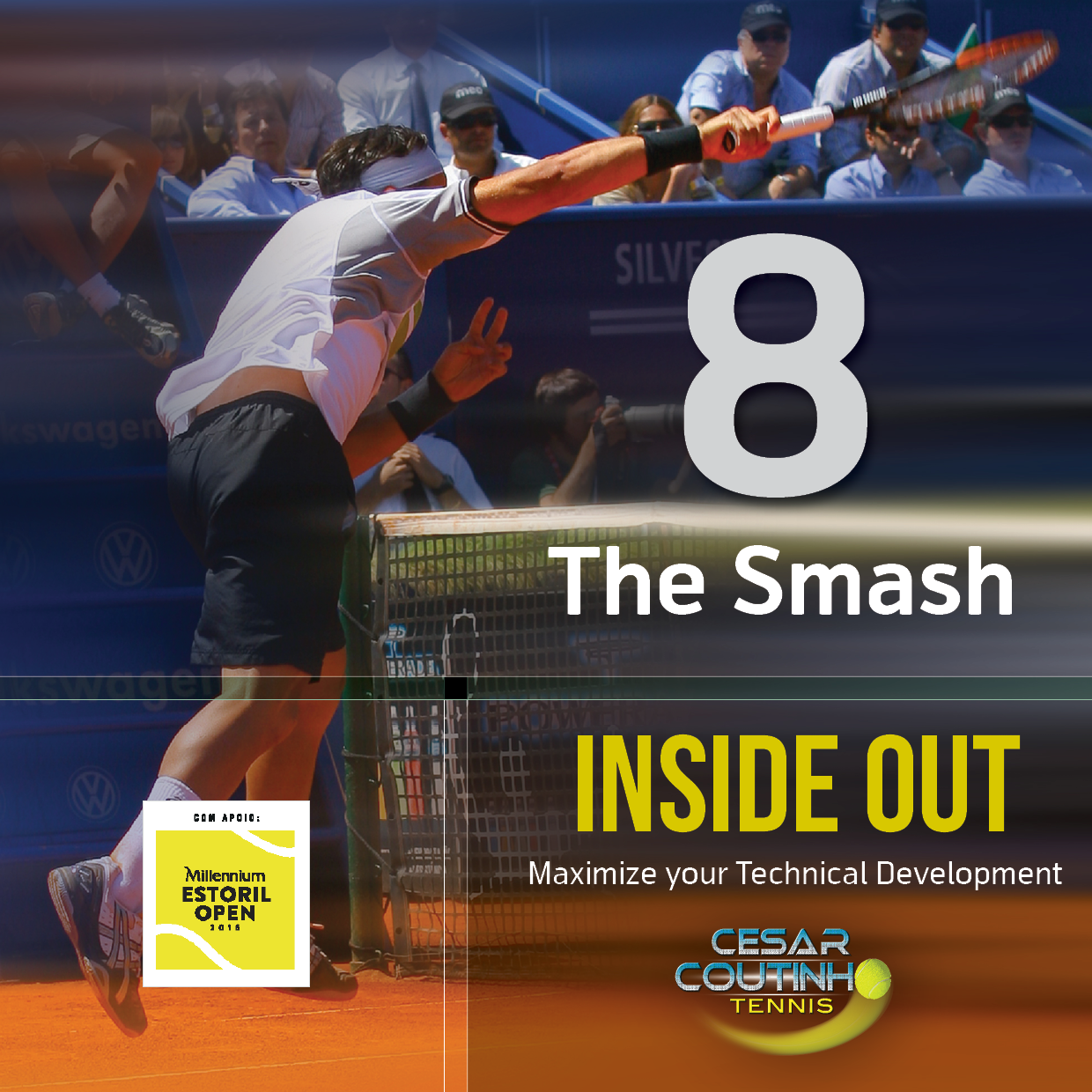
8. The Smash
The smash is a finishing stroke that demands precise positioning, timing, and control. This chapter addresses technical fundamentals (positioning, grip, arm path, and propulsion) and training approaches to turn the smash into a reliable weapon in match play.
9. The Forehand
The forehand is one of the most frequently used strokes and a central foundation of the game. This chapter details preparation, swing, contact, and follow-through, as well as the influence of grip and body alignment. It also explores variations in rhythm and spin and strategies to improve consistency in different situations.
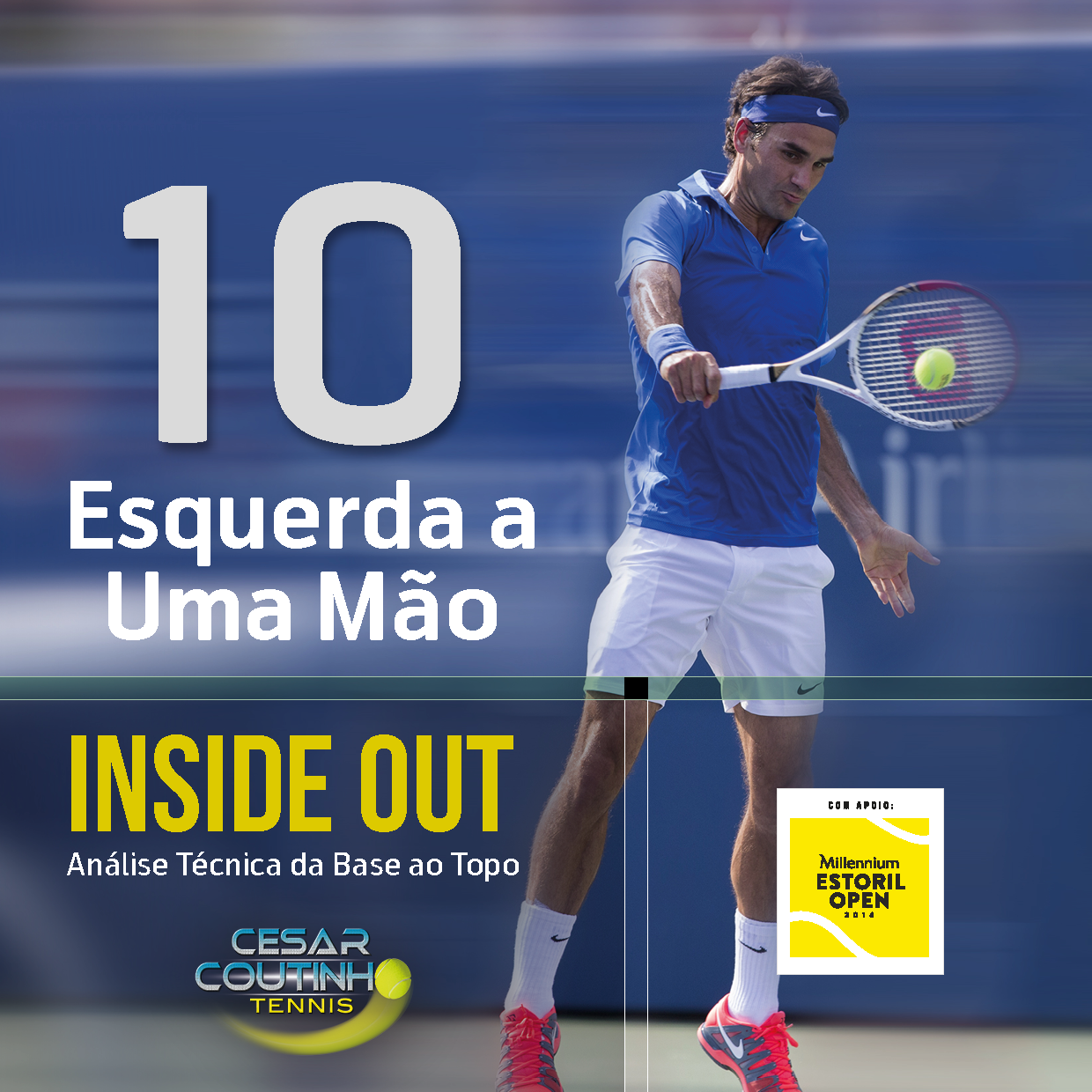
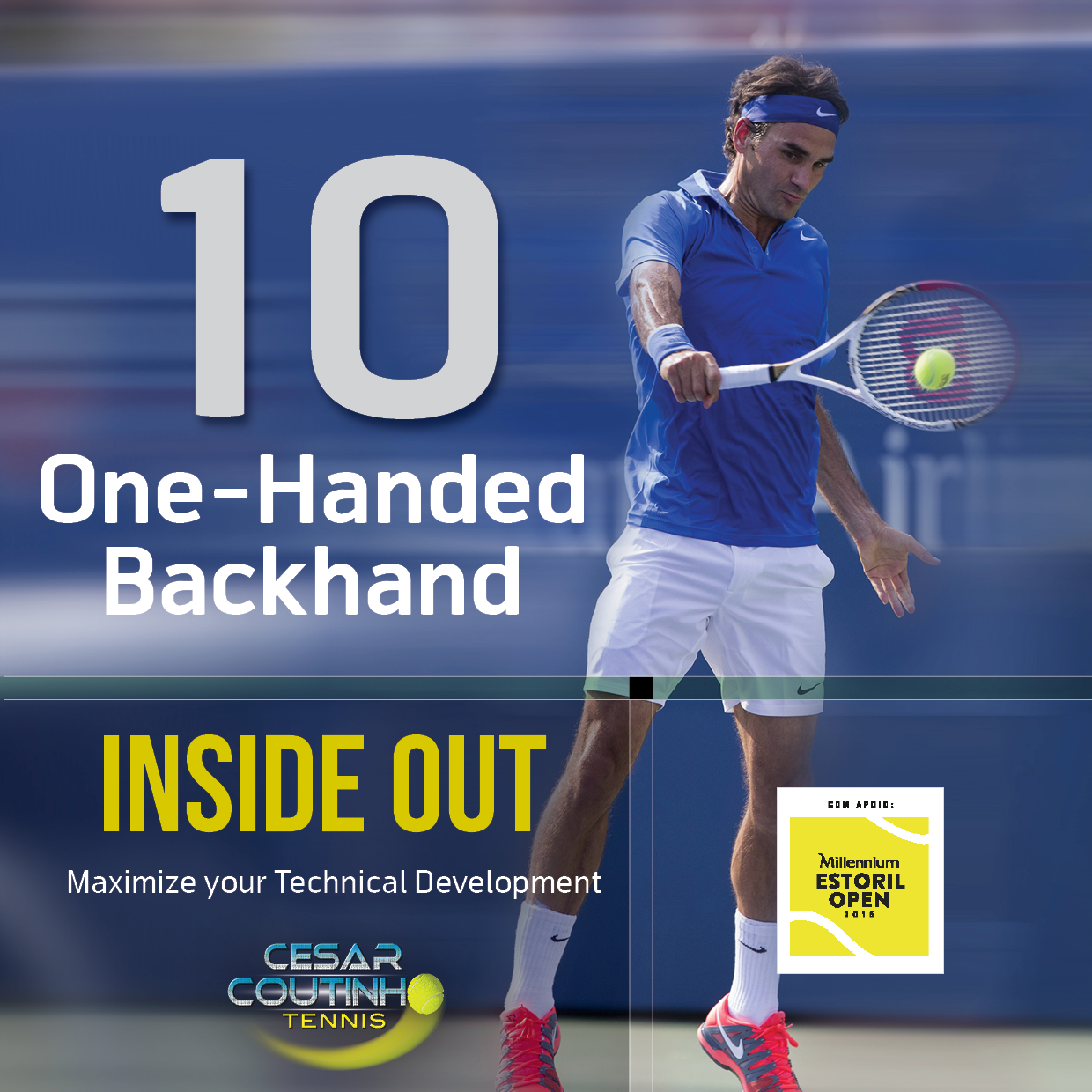
10. One-Handed Backhand
The one-handed backhand requires technical precision and refined coordination. This chapter explores key elements such as trunk rotation, racket positioning, and balance, as well as common difficulties and corrective pathways in training.
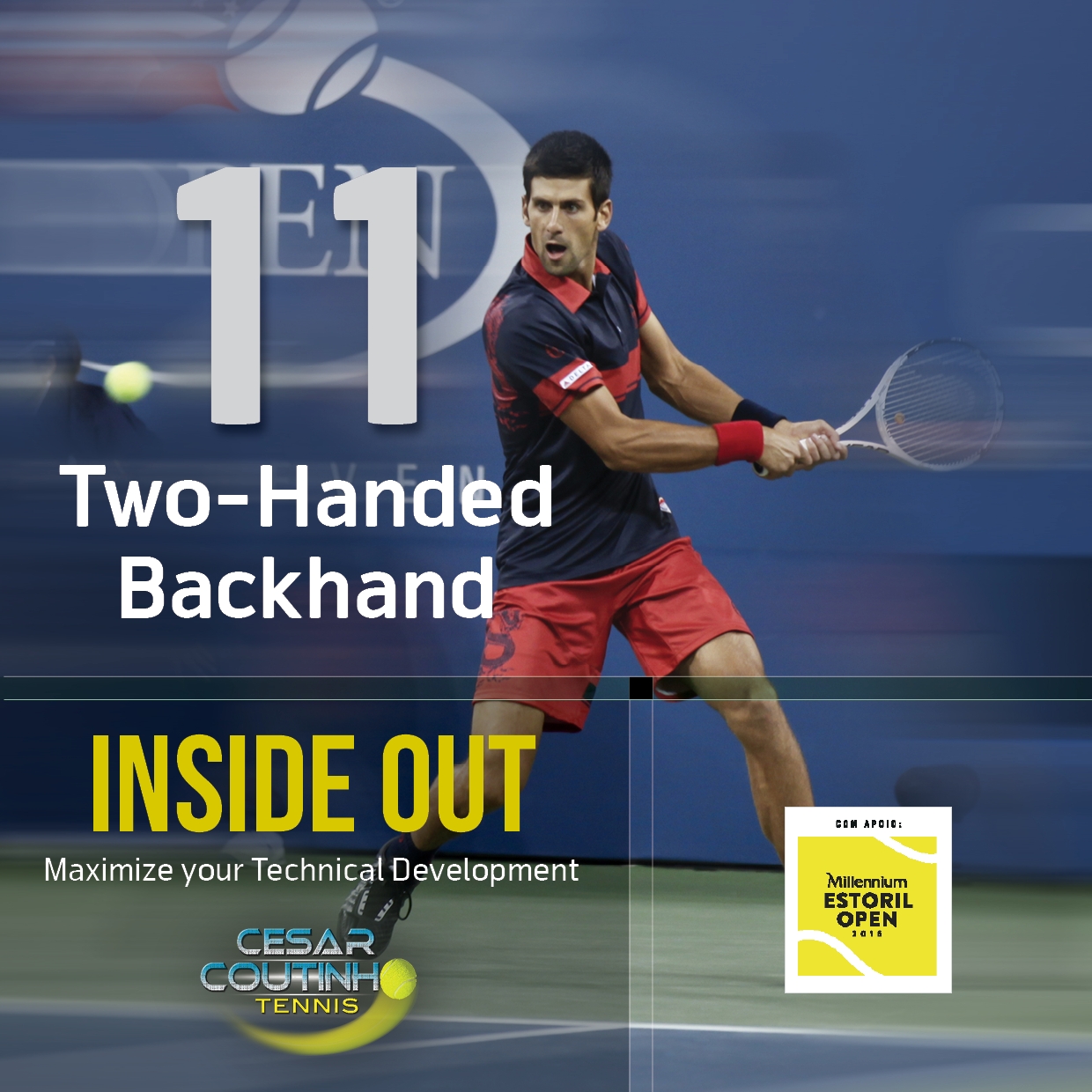
11. Two-Handed Backhand
The two-handed backhand offers greater stability, particularly under pressure. This chapter analyzes biomechanics, hand positioning, trunk and leg contribution, and movement synchronization, with specific guidance for developing consistency and control.
12. Volley
The volley is fundamental to an effective net game. This chapter addresses positioning, racket control, posture, and timing, as well as variations (forehand and backhand volleys) and training principles to enhance precision and agility.
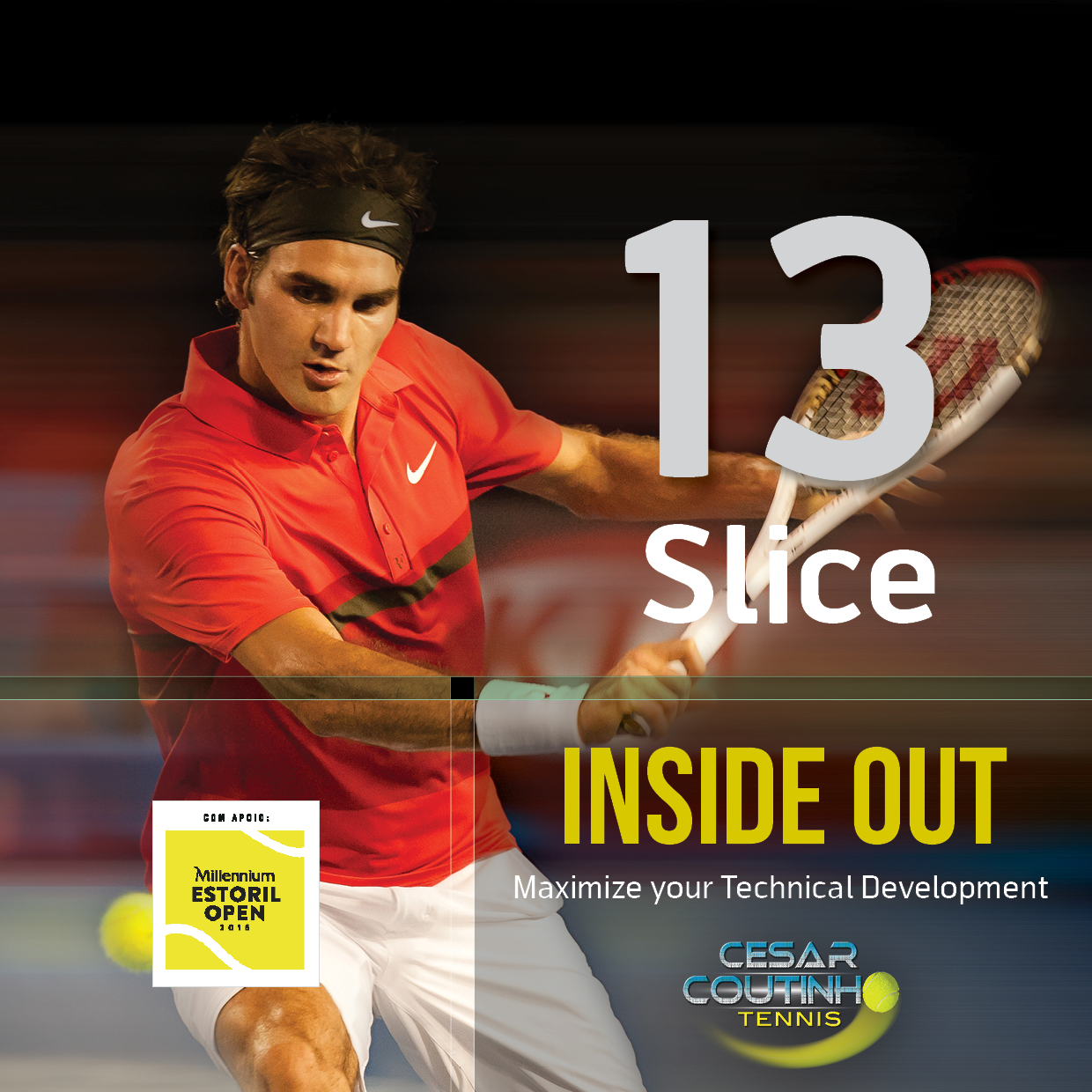
13. Slice
The slice produces a lower, more difficult ball to respond to and is useful for changing rhythm, defending, and setting up attacks. This chapter details racket angle, arm path, posture, and tactical contexts for application.
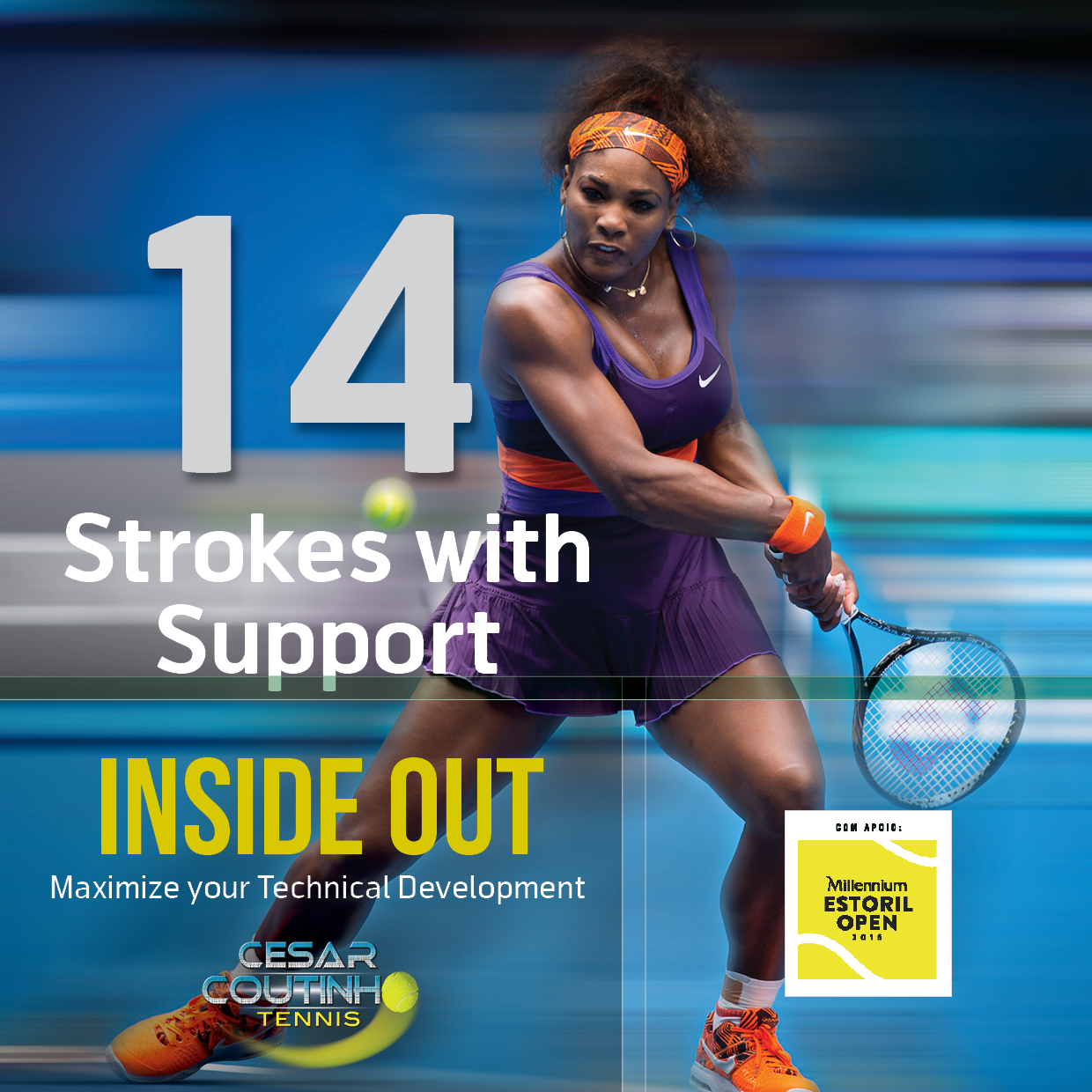
14. Strokes from a Stable Base
Strokes played from a stable base favor balance and precision. This chapter discusses stance, positioning, and body alignment to maintain control and power, particularly during extended rallies.
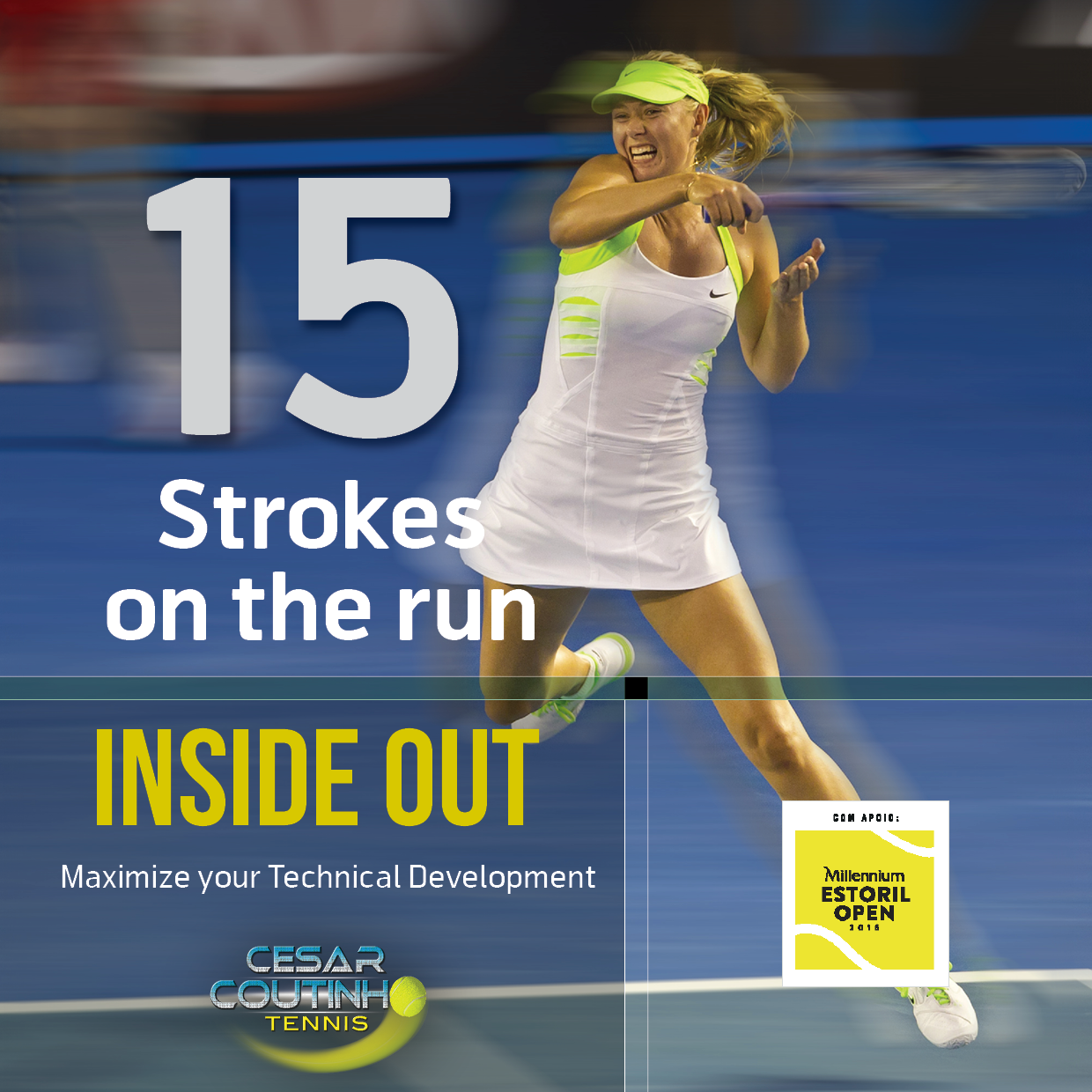
15. On-the-Run Strokes
On-the-run strokes are executed while moving and require technique that integrates displacement and stroke execution without loss of quality. This chapter addresses the complexity of motor coordination needed to maintain balance, racket control, and accuracy during forward or backward movement.
Strategies are presented to optimize the use of these strokes in dynamic game situations, along with training principles that develop agility, body stability, and endurance—key factors for sustaining consistency while in motion.
16. Responding to Fast Balls
Responding to fast balls requires anticipation, reaction time, and technical adaptation to neutralize opponent-imposed speed. This chapter analyzes essential adjustments in positioning, preparation, and reduced swing, enabling more effective and controlled responses.
It also emphasizes reaction-speed training and decision-making under high time constraints, contributing to greater technical stability under pressure.
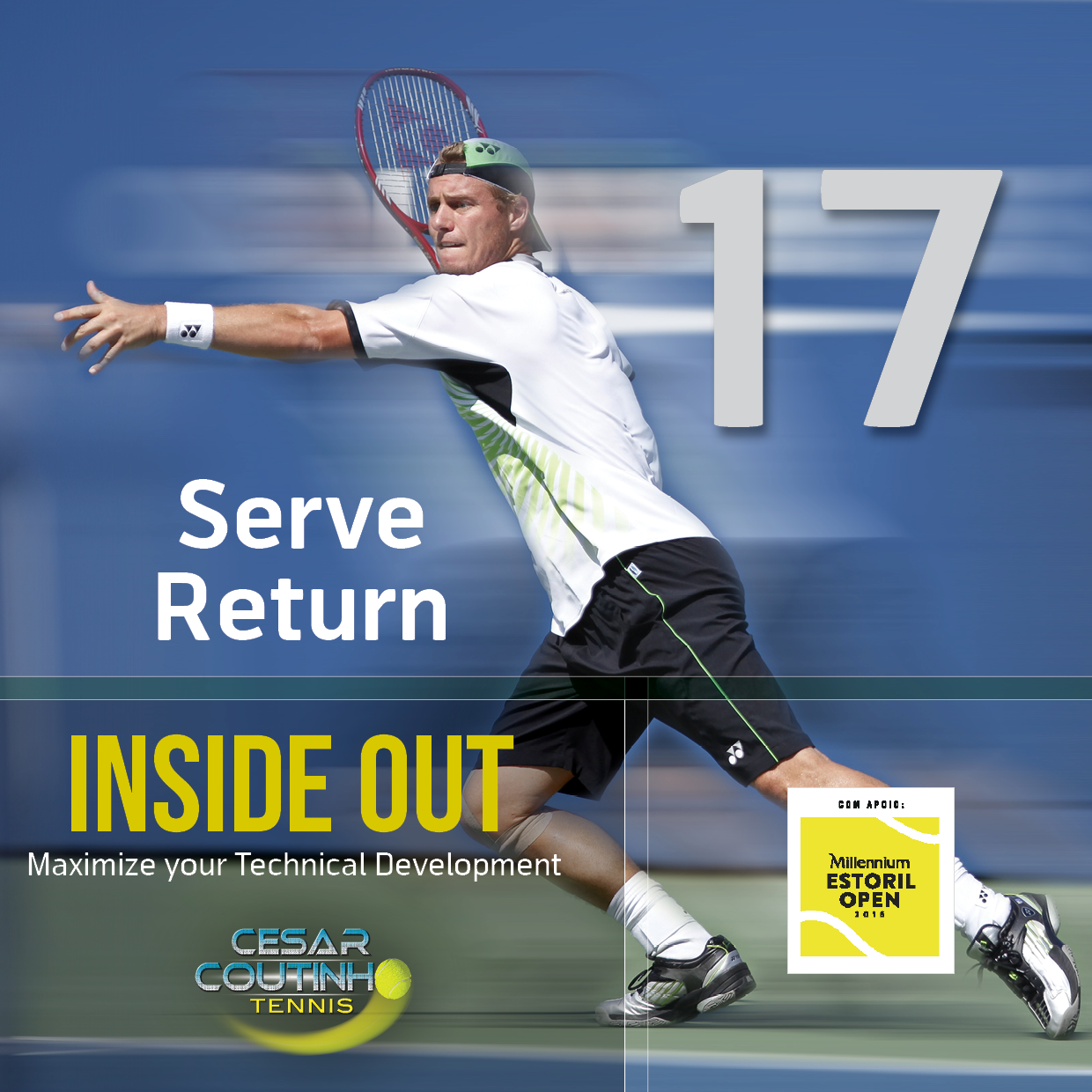
17. Return of Serve
The return of serve is one of the most decisive moments of the point and can determine early control of the rally. This chapter examines the technical and tactical principles involved in effective returns, including positioning, serve reading, and stroke adaptation.
Strategies for handling different types of serves are discussed, highlighting the balance between aggression and safety. Consistent development of the return is presented as a key element for gaining advantage from the start of the point.
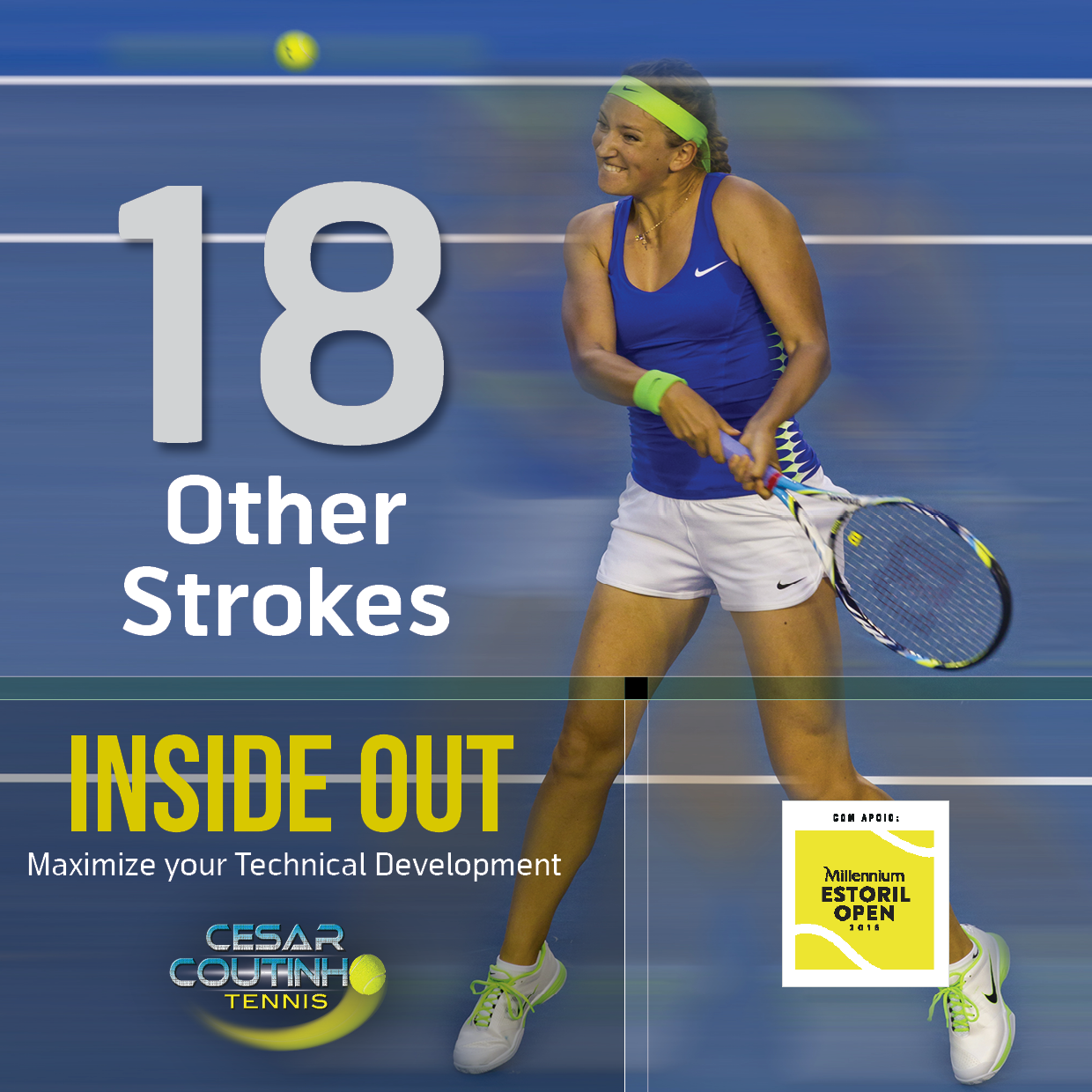
18. Other Strokes
Beyond the most commonly used strokes, additional techniques expand a player’s technical repertoire and allow greater adaptability to varied game situations. This chapter analyzes strokes such as the lob, drop shot, and other less frequent variations, addressing their technical execution and strategic application.
Developing these strokes enriches the game, increases unpredictability, and helps exploit opponents’ limitations, strengthening the player’s ability to respond effectively across different contexts.




This project is built on decades of applied work across different levels, countries, and systems.
Experience Built Over Time
Leadership in coach education within national federation structures
International player development across different levels and countries
University teaching and applied research in tennis biomechanics
Design and implementation of development systems in multiple countries
Publication of books, chapters, and practical articles on the topics addressed
INSIDE OUT — THE METHOD
Purchase the Digital Book
If this type of approach aligns with your work, development goals, and context, the book is available for immediate access in English
Format: Digital (PDF)
Language: English
Access: Immediate access after purchase
Reference price: €69
Current price: €33
Context note:
This edition corresponds to the initial phase of publication of Inside Out in Portuguese, prior to the expansion of the project into other formats and markets. During this period, the book is available at an introductory price.
This publication is protected by copyright and delivered through a secure digital platform. All rights reserved



Speak with us