CONSISTENCY BLUEPRINT
BUILDING CONSISTENCY IN YOUR GAME
Consistency is not a feeling. It’s a structure.
Learn how to build reliable performance that holds under pressure, fatigue, and competition.
LAUNCH ON THE 26 OF JANUARY

Build Consistency That Holds Under Pressure
Most players chase consistency by searching for confidence, motivation, or the “right feeling.”
That approach fails.
Consistency is not a feeling. It is a structure.
Building Consistency in Your Game is a practical blueprint for players, coaches, and serious competitors who want performance that holds up under pressure, fatigue, and real match conditions.
This book does not offer quick fixes or motivational shortcuts.
It explains why inconsistency happens, what must be stabilized first, and how to build a system that produces reliable performance over time.
Drawing from high-performance coaching, biomechanics, and long-term athlete development, this book breaks consistency down into clear, trainable components:
movement
technique
decision-making
repetition
training structure
competition behavior
Each chapter connects principle to practice, showing how stable performance is built before confidence appears — not the other way around.
BUILDING CONSISTENCY IN YOUR GAME:
The players guide to reliable Tennis Performance
-
Who This Book Is For
Players who feel their level fluctuates too much in matches
Coaches who want to organize training with clear priorities
Competitive juniors, college players, and adults aiming for reliable performance
Anyone tired of guessing why performance rises one day and collapses the next
-
Why consistency collapses even in technically skilled players
How structure stabilizes execution before technique improves
The difference between productive repetition and training noise
How movement quality dictates stroke reliability
Why fatigue reveals flaws instead of creating them
How to maintain consistency across matches, weeks, and seasons
How to turn principles into a personal performance system
This is not a book about playing “safe.”
It is a book about building control, margin, and trust in your game.When structure is right, confidence follows.
When structure is missing, consistency never arrives.Consistency is not something you find.
It is something you build.
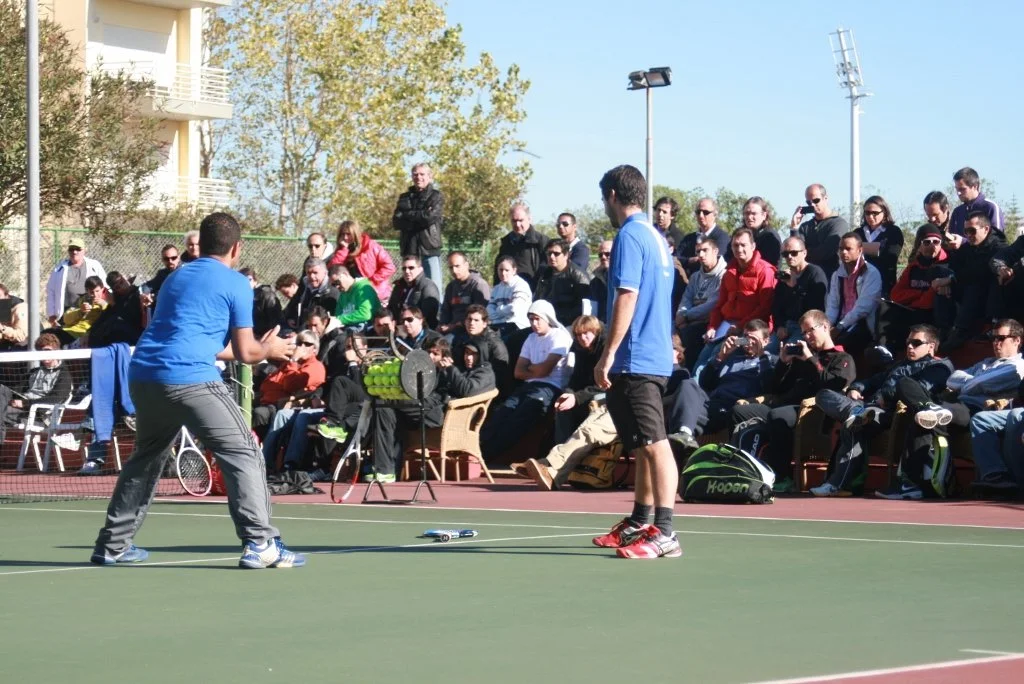
CC - César Coutinho

César Coutinho’s journey in tennis began not with results, but with questions.
From an early age, he was fascinated by how players moved, how skills were acquired, and why some athletes progressed while others plateaued. That curiosity would shape a career spanning more than 25 years, across multiple continents, and every level of the game.
With an academic background in Sport Science and PhD research in tennis biomechanics at the University of Western Australia under Professor Bruce Elliott, César built a scientific foundation that would later define his coaching philosophy. He combined this research with extensive applied experience, working in clubs, academies, national teams, and professional circuits.
As Director of Coach Education at the Portuguese Tennis Federation (2018–2024), he led the complete modernization of the national coaching system, introducing blended learning, competency-based certification, and the country’s official long-term player development framework.
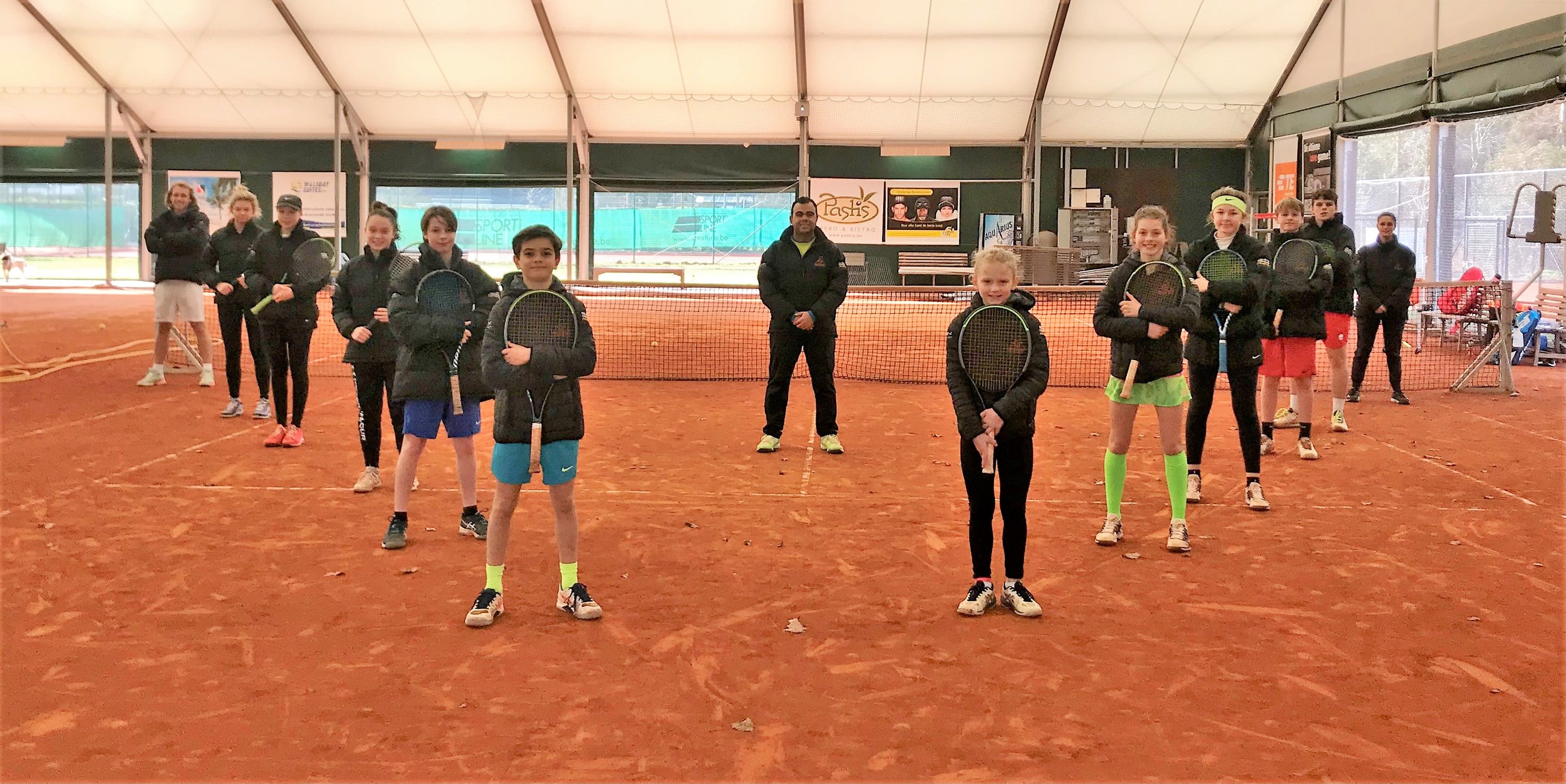
Alongside his federation work, César founded CCTennis Performance, a high-performance development project based in Portugal and Belgium, supporting players from U10 foundations to professional and international university pathways.
Today, his work continues to focus on one principle: helping players and coaches build performance from the inside out—through clarity, structure, and long-term development
OUR BOOKS
A Structured Approach to Tennis Development
Our books are manuals designed to bring clarity, order, and structure to tennis development.
They are not collections of drills or motivational ideas.
The 10 Laws of Consistency in Tennis
A free guide introducing the principles that govern consistency and explain why performance holds or collapses.
Building Consistency in Your Game
A practical blueprint showing how to organize training, repetition, decisions, and competition so consistency becomes predictable.
Inside Out
The main technical and developmental manual of the methodology, integrating biomechanics, skill acquisition, long-term development, and performance planning.
One Methodology. Three Levels.
Understand the principles.
Apply the structure.
Master the system.
TOO MUCH? START SIMPLE
GET THE FREE GUIDE BELLOW
FREE CONSISTENCY GUIDE
THE 10 LAWS OF CONSISTENCY IN TENNIS
The 10 Laws That Govern Consistency in Tennis
A clear, structured introduction to how consistent performance is built.
This free guide lays the foundation for the full Consistency Blueprint.

Why players struggle?
Most tennis players do not lack effort.
They lack structure.
Performance fluctuates not because players are weak, unmotivated, or mentally fragile, but because their training does not create stability under pressure, fatigue, and uncertainty.
This platform exists to change that.
Here you’ll find a structured approach to tennis development based on principles, not shortcuts — connecting training design, movement, technique, decision-making, and competition into a coherent system.
Whether you are a player seeking reliable performance, or a coach aiming to organize development more effectively, the goal is the same:
Build consistency that holds.
WANT TO KNOW MORE ABOUT TENNIS TECHNICAL DEVELOPMENT FROM AN EXPERT POINT OF VIEW?
CHECK THE FULL ADVANCED BOOK BELLOW
INSIDE OUT
INSIDE OUT - THE SYSTEM THAT HELPED THOUSANDS OF PLAYERS IMPROVE
INSIDE OUT - THE SYSTEM THAT HELPED THOUSANDS OF PLAYERS IMPROVE

Maximize your Tennis Development!
AN EXPERT AND ADVANCED BOOK
NEVER WRITTEN BEFORE
Unlock the secrets of world-class tennis technique within the INSIDE OUT book and system! Written by renowned coach César Coutinho, this groundbreaking guide takes players and coaches through a step-by-step journey, from fundamentals to elite-level mastery.
ONLINE VERSION AVAILABLE NOW!!!
LAUNCH PROMOTION PRICE UNTIL THE 10TH OF FEBRUARY!!!
SEE BELLOW!


Order the full book!
-
This book offers an integrated approach to technical analysis and development in tennis, providing a comprehensive view of the various factors that influence player performance. From understanding movement dimensions and selecting the right equipment to detailed stroke execution and optimizing court movement, each chapter deepens your technical foundation. The thorough analysis of movements, grips, attention positions, and quick responses allows players and coaches to pinpoint key areas for improvement. This work serves as a guide for building effective technique combined with well-founded strategy, enhancing both performance and enjoyment on the court.
-
Discover the Secret to Taking Your Tennis to the Next Level!
Looking to improve your technique and master tennis with confidence and efficiency? This book is your ultimate guide to detailed analysis and comprehensive technical development in tennis — perfect for players, coaches, and enthusiasts eager to deepen their understanding and maximize on-court performance.What will you find inside?
A complete, structured approach covering all the essential aspects of tennis:
• Movement dimensions: Understand the importance of different planes and angles that shape tennis movements — the foundation for technical growth.
• Essential equipment: Learn how to choose the right racket and master grips that directly affect control and shot effectiveness.
• Movement breakdown: Analyze each phase of technical strokes, breaking down motions to improve accuracy and power.
• Positioning and court movement: Discover how to position yourself and move strategically to optimize your response to every ball.
• Shot techniques: Master the serve, smash, forehand, one- and two-handed backhands, volley, slice, and other strokes with detailed explanations and practical advice.
• Quick and strategic responses: Prepare to handle fast balls and serves with adapted techniques that boost your reaction time and game control.Why is this book indispensable?
This isn’t just a technical manual; it’s an essential resource combining theory and practice to transform your game. Each chapter is thoughtfully designed so you can apply the knowledge progressively, ensuring consistent and sustainable improvement.
• Ideal for players of all levels aiming to deepen their technical understanding.
• Perfect for coaches seeking clear resources to plan training and enhance athlete technique.
• Packed with clear explanations, practical examples, and specific guidance.Transform your game today!
With Technical Analysis and Development in Tennis, you’ll have all the knowledge you need to refine every aspect of your game — from equipment and shot execution to court movement and opponent responses.
Don’t leave your tennis to chance — learn, practice, and excel with a guide that supports you every step of the way. -
Chapters Summaries
1. Movement Dimensions
This chapter lays the groundwork for tennis technical analysis, exploring the different planes and dimensions that shape player movement. It covers biomechanical aspects such as kinematics and kinetics and their application to improve stroke execution. Detailed movement analysis helps identify strengths and areas for development, essential for technical progress and performance optimization.2. The Tennis Racket
The racket is a player’s main tool, and its selection and technical understanding directly affect game quality. This chapter examines racket types, materials, weight, and balance, explaining how these factors impact control, power, and comfort. It also discusses string tension specifics and their effect on racket response, helping players choose the equipment that best suits their technical needs.3. Tennis Grips
Grips determine how the racket is held, influencing stroke execution and effectiveness. This chapter describes various tennis grips — including continental, eastern, semi-western, and western — detailing their technical characteristics and uses. Choosing the correct grip is key for adapting to different strokes and styles, preventing injury, and maximizing ball control.4. Movement Breakdown
To understand and refine technique, movements must be broken into specific phases. This chapter analyzes the stages of each stroke, from preparation through contact to follow-through. Segmenting movements enables focused practice and error correction, contributing to more efficient and fluid strokes.5. Ready Positions
The ready position is the starting point for all tennis actions, affecting reaction speed and effectiveness. This chapter explores basic stances, weight distribution, and foot placement to ensure balance and readiness. A good ready position enhances anticipation and quick court movement, fundamental for controlling the game.6. Court Movement
Efficient court movement is critical for reaching the ball on time and executing quality strokes. This chapter studies various footwork types — lateral steps, advances, retreats, and direction changes — emphasizing movement economy and coordination. Developing agility, endurance, and running technique is vital for effective technical and tactical performance.7. Serve
The serve initiates every point and can be a decisive weapon. This chapter details the serving technique, from preparation and ball toss to full motion execution, including the roles of the trunk, legs, and arm. It covers different serve types (flat, spin, slice) as well as tactical considerations and methods to develop power, precision, and consistency.8. Smash
The smash is one of the most powerful and decisive shots in tennis, primarily used to finish points when the ball is high and close to the net. Executing it requires a combination of strength, precision, and perfect timing. This chapter analyzes the technical fundamentals of the smash, including body positioning, ideal grip, arm movement, and the role of the jump. It also covers training methods to develop power and control, turning the smash into a reliable weapon during matches.9. Forehand
The forehand is the most frequently used shot and a fundamental pillar of any player’s game. It’s crucial for constructing points, attacking, and defending. This chapter provides a detailed analysis of the forehand’s technical elements, including body preparation, swing mechanics, follow-through, and the importance of the correct grip. It also addresses variations in rhythm and spin to increase shot versatility, alongside strategies to enhance consistency and effectiveness in different match situations.10. One-Handed Backhand
The one-handed backhand demands precise technique and refined coordination. Compared to the two-handed backhand, it offers greater reach and spin variety. This chapter explores key technical aspects such as trunk rotation, racket positioning, and balance control, highlighting how these contribute to a powerful and fluid shot. It also discusses common challenges and training approaches to overcome them.11. Two-Handed Backhand
The two-handed backhand provides enhanced stability and control, especially useful in high-pressure situations. This chapter examines the biomechanics of this stroke, hand placement on the racket, muscle engagement in the trunk and legs, and the importance of movement synchronization to produce effective and consistent shots. Specific technical exercises to strengthen this backhand style are also highlighted.12. Volley
The volley is played near the net and is essential for an aggressive, offensive playing style. This chapter delves into the volley’s technical analysis, from the initial position to execution, emphasizing racket control, proper posture, and timing. Different volley types, such as forehand and backhand volleys, are discussed along with the importance of anticipation and quick movement. Training focuses on improving agility and accuracy, key to mastering this technique.13. Slice
The slice shot features a cutting spin that creates a low trajectory and makes the ball difficult to return. It’s often used to vary the game’s pace, defend, and set up attacks. This chapter details slice technique, including racket angle, arm movement, and body posture, as well as scenarios where it is most effective. The analysis highlights how the slice can be strategically integrated to control opponents and regain court position.14. Groundstrokes from a Stable Position
Groundstrokes executed with a firm, stable base provide greater balance and precision. This chapter explains the importance of a solid foundation, correct foot placement, and body alignment to ensure controlled, powerful shots. Developing technical skills for these groundstrokes is vital for maintaining consistency, especially during longer, more demanding rallies.15. Groundstrokes on the Move
Groundstrokes hit while moving require a technique that blends footwork and shot execution without sacrificing quality. This chapter addresses the complex motor coordination needed to maintain balance, racket control, and shot accuracy during forward or backward movement. It presents strategies for optimizing these dynamic strokes and exercises to build agility and endurance.16. Responding to Fast Balls
Handling fast balls demands sharp reflexes, anticipation, and technical adaptation to neutralize opponent speed. This chapter examines technical adjustments in positioning, swing modification, and racket movement minimization to ensure effective, controlled returns. The importance of reaction speed training and quick decision-making under pressure is emphasized for success in fast-paced exchanges.17. Return of Serve
Returning serve is one of the most critical moments in a point and can determine control of the game. This chapter explores techniques for preparing and executing an effective return, including positioning, reading the serve, and shot adjustment. Different serve types are considered with a focus on balancing aggression and safety in returns. Technical and tactical development in this area is essential for gaining an early advantage.18. Other Shots
Beyond the basic strokes, various additional shots expand a player’s repertoire and adaptability in diverse situations. This chapter analyzes complementary shots such as the lob, drop shot, and less common strokes, highlighting their technique, application, and strategic importance. Developing these shots enriches gameplay, increases unpredictability, and exploits opponents’ weaknesses.
-
![Two female athletes standing on a tennis court holding large trophies above their heads. They are celebrating a victory at a tournament organized by the Bengal Tennis Association.]()
COACHING
Maximizing potencial through high performance coaching - individual approach in team environment
-
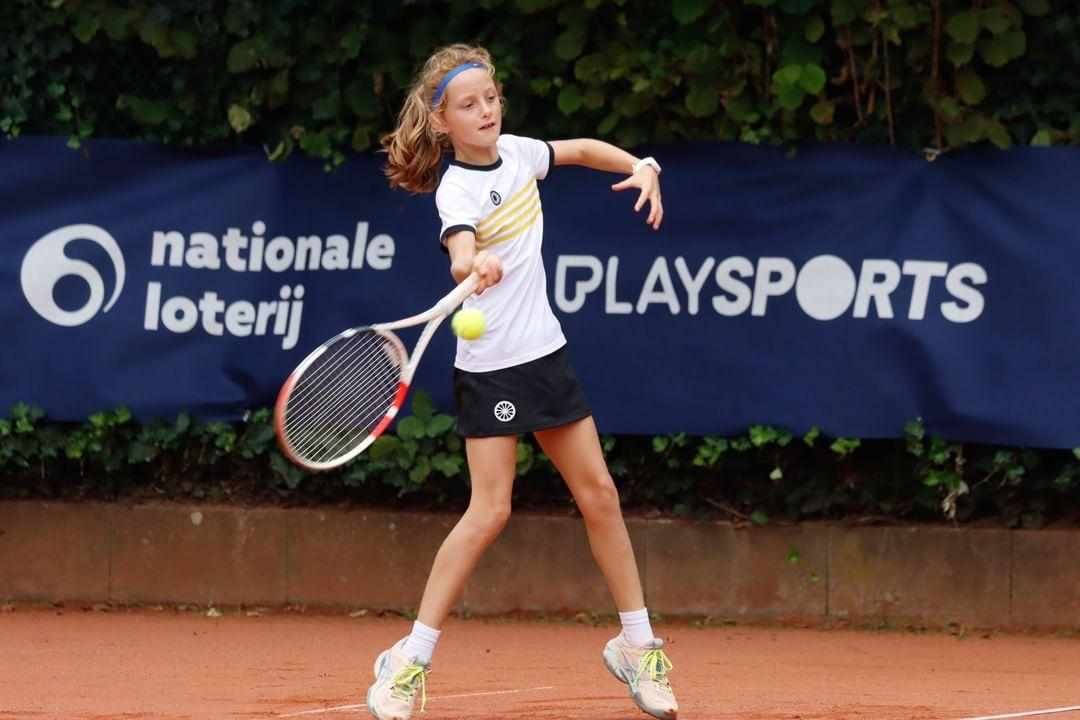
![Young girl with curly hair playing tennis on a clay court, about to hit a yellow tennis ball with a racket.]()
U14 DEVELOPMENT & PROJECT MANAGEMENT
Expert guidance for tennis excelence from one of the world top development experts
-
![Three people smiling on a tennis court, one holding a trophy and a bouquet of flowers, with tennis-related banners in the background.]()
CAMPS & STAGES
Intensive training for next level performance - both in Portugal and in Belgium - get the best of both worlds
-
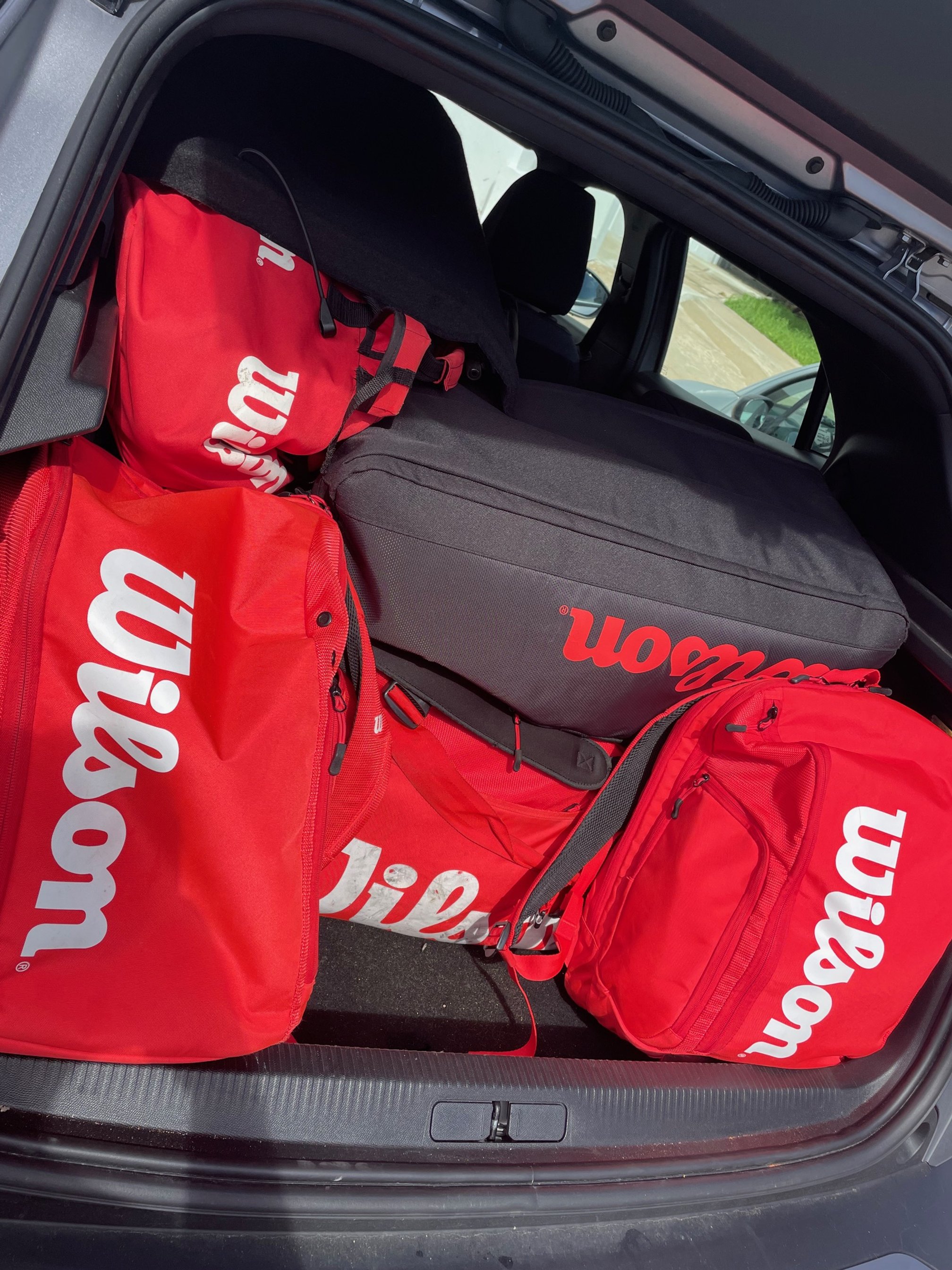
![The open trunk of a car filled with red Wilson sports bags and a gray Wilson gear bag.]()
TOURS & PLANNING
Cutting edge experience in all age categories and gender tournaments. Competing smart. Winning big. Improving amazing
-
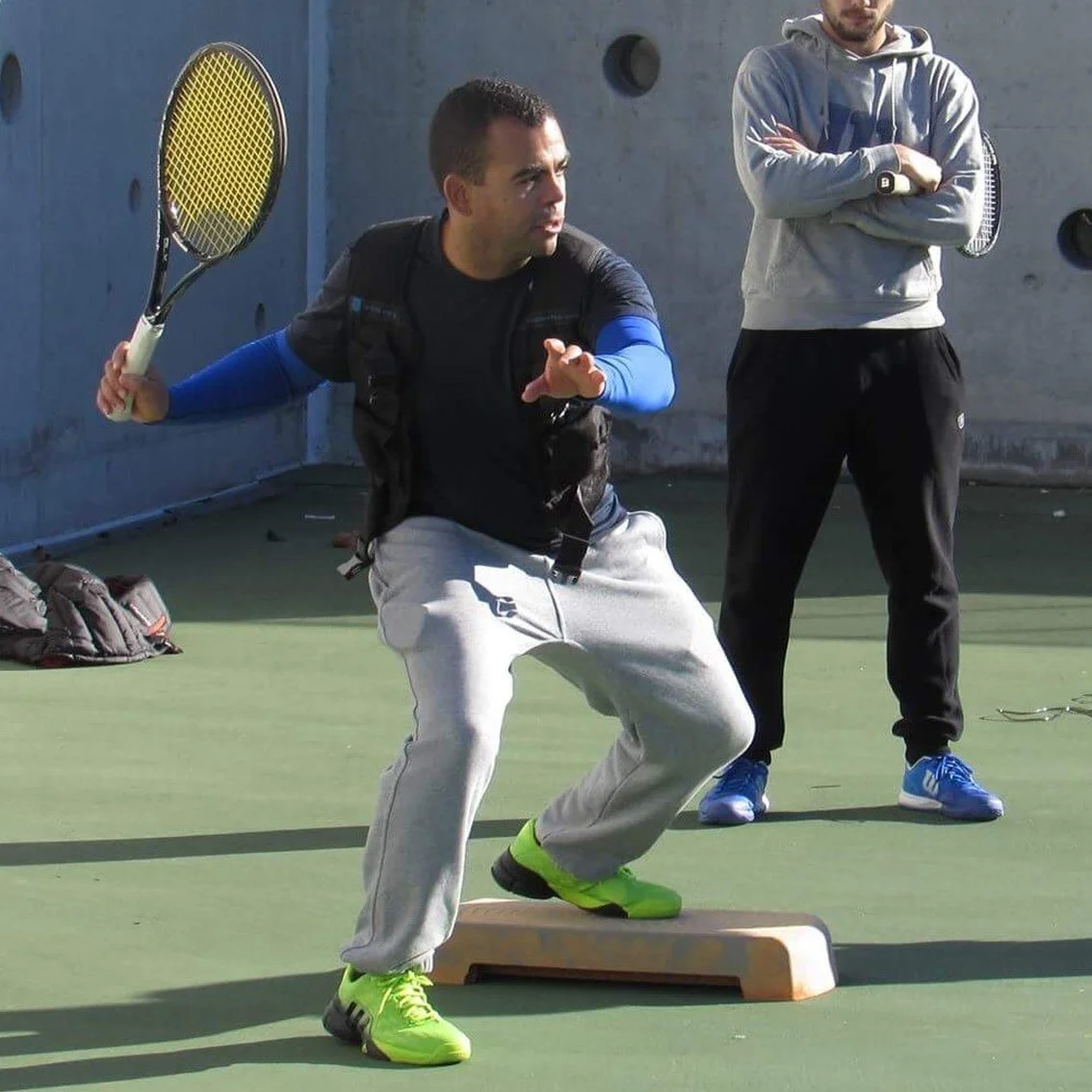
![Two men on an outdoor tennis court, one practicing tennis drills with a racket and a step platform, while the other stands nearby watching, wearing athletic clothing.]()
WORKSHOPS & WEBMINARS
Learn from the best, anytime and anywhere. A clear and strctured model from begginers level to high performance
-
![Group of tennis players and coaches posing for a photo in a room with wood-paneled walls and a sign that reads 'IPD' in the background.]()
ONLINE COURSES
Your game at your own pace with a structured and compreensive model for every level
-
![A man in a beige blazer and light blue shirt holding a book titled 'Inside Out' at a bookstore or event.]()
BOOKS
Knowledge for continuous tennis improvement - learn from a mix of high level cutting experience with the most updated knowledge
-
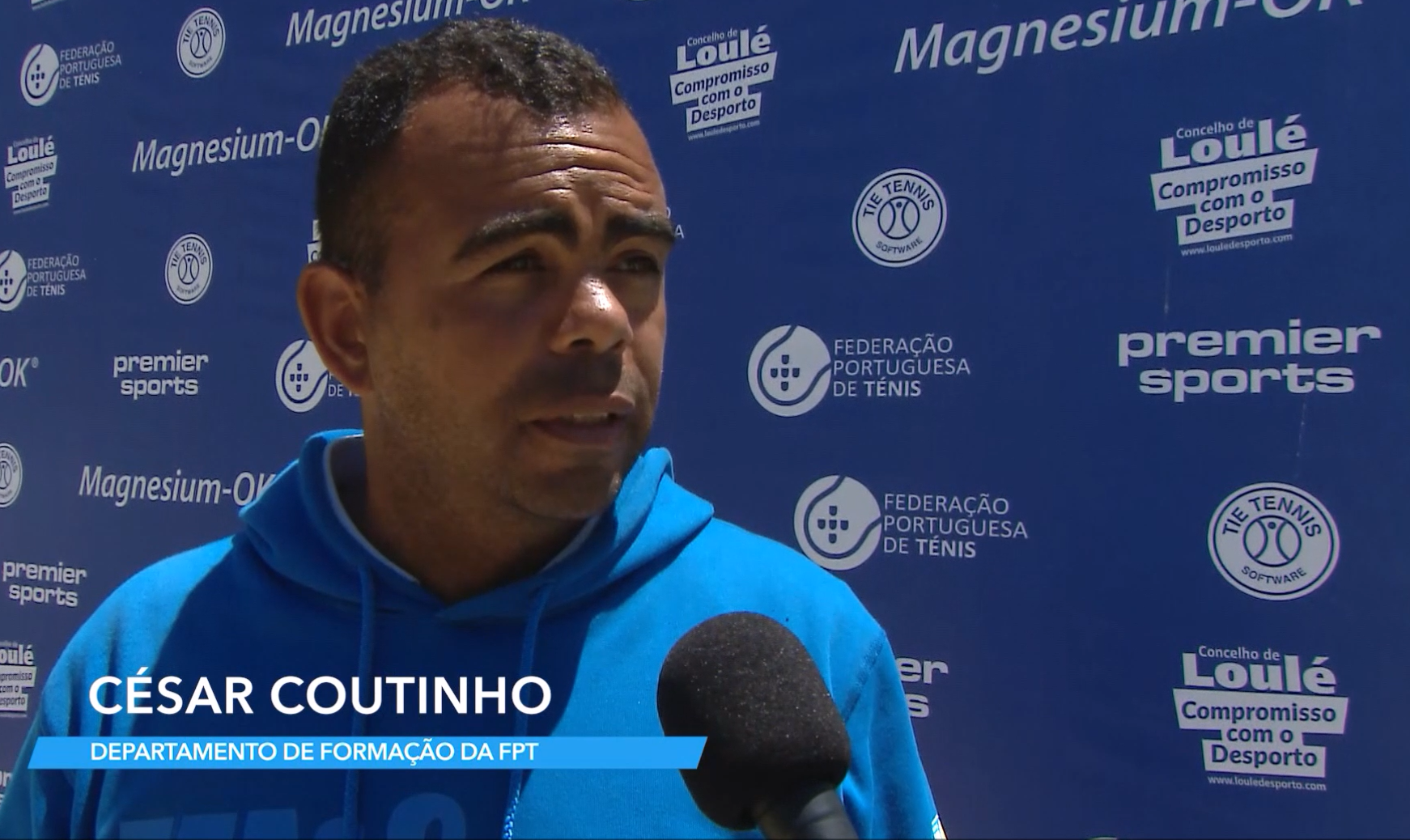
![César Coutinho being interviewed, wearing a blue hoodie, standing in front of a blue backdrop with logos of the Portuguese Tennis Federation and sponsors.]()
YOUTUBE CHANNEL
Have a taste of what we do - the start of your journey to tennis development